There’s nothing quite like the feeling of stepping off the pavement and onto a dirt trail. The air simply smells different in the woods. It smells richer, maybe a little like damp pine and freedom.
The constant noise of the city fades away and is replaced by the crunch of leaves and the rustle of wind through the trees. Why do we crave this escape so much? A week-long hiking holiday offers a rare chance to truly disconnect from the modern world. It gives you the opportunity to challenge your body, clear your mind, and experience nature at a slow, deliberate pace. Honestly, just thinking about it makes me want to pack a bag right now.
But nature comes with its own set of hidden costs.
Many people assume that hiking is a completely free activity. After all, the outdoors belongs to everyone. The dirt under your feet doesn’t charge an admission fee, you know? However, spending a full week on the trail requires careful planning and a solid financial strategy. The costs can add up much faster than you might expect.
From transportation to specialized gear, you have to account for several different categories of spending. Understanding these costs ahead of time allows you to focus on the journey rather than stressing about your bank account. Because the last thing you want on a mountain is financial anxiety.

Getting There and Finding Shelter
The first major expense of any hiking trip is transportation. Very few of us are lucky enough to live within walking distance of a major trail system. I guess that’s just the reality of modern life. You’ll likely need to drive, take a train, or even fly to your starting point. And if you’re driving, you have to factor in the cost of gas and potentially expensive long-term parking at the trailhead. If you’re flying, you’ll have to pay for your ticket and then figure out a shuttle service to get you to the wilderness area.
Once you arrive at your destination, you have to think about where you’ll sleep. Have you considered how much a week of lodging actually costs? Your sleeping arrangements will dramatically impact your overall budget. If you’re a purist who wants to sleep in a tent every night, your accommodation costs will be quite low. Many wilderness areas allow backcountry camping for free. Others charge a small nightly fee for established campsites with basic amenities like fire rings and pit toilets.
On the other hand, you might prefer the comfort of a warm bed. And that is totally fine. Many popular hiking regions have networks of backcountry lodges or trailside cabins. These provide a cozy place to rest, but they come at a premium price. You might also want to spend your first and last nights in a nearby town hotel to shower and recover properly. Before you book anything or start buying plane tickets, organizing your expected expenses with a budget planner will keep your finances on track. This ensures you have enough funds allocated for the rest of your trip necessities.
Investing in the Right Gear
Your equipment is the foundation of a successful hiking holiday.
So, what happens if you show up unprepared? Well, it usually hurts. A lot.
If you already have a closet full of outdoor gear, you can skip this expense entirely. But if you’re starting from scratch, you need to prepare for a significant initial investment. High-quality gear is expensive, but it’s worth every penny when you’re miles away from civilization.
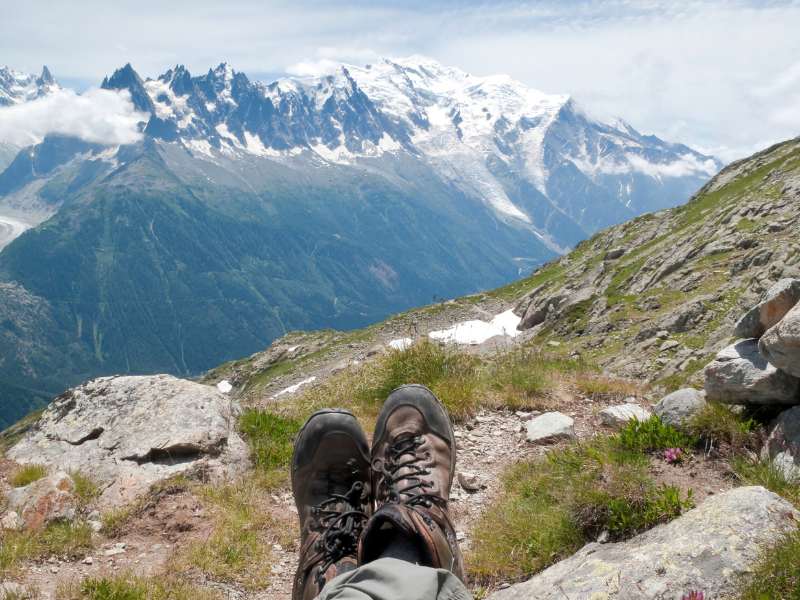
Your boots are the most critical purchase you’ll make. You can’t hike for a week in cheap sneakers without suffering from painful blisters and twisted ankles. A sturdy pair of hiking boots will cost a fair amount of money. You must also buy high-quality wool socks to keep your feet dry and comfortable. Trust me on this one.
Next, you’ll need a comfortable backpack. A week-long trip requires a larger pack capable of holding all your food, clothing, and shelter. A good pack features an internal frame and adjustable straps that distribute the weight onto your hips rather than your shoulders.
Clothing is another major factor. You must avoid cotton completely. Cotton holds moisture and will make you cold. You need synthetic or merino wool base layers, a warm insulating layer, and a reliable waterproof jacket. The weather in the mountains can change in an instant. You have to be prepared for intense sun, heavy rain, and freezing winds all in the same afternoon.
If you plan to camp, you’ll also need a lightweight tent, a warm sleeping bag, and an insulated sleeping pad. Buying lightweight camping gear is notoriously expensive. The lighter the item, the higher the price tag. Is it really worth spending an extra hundred dollars to save a few ounces of weight? Yes, because carrying a heavy pack for seven days will quickly drain your energy. Finding the right balance between weight and cost is a personal choice that requires careful consideration.
Fueling Your Body on the Trail
Hiking ten to fifteen miles (16 to 24 km) a day over uneven terrain burns a massive amount of calories. You have to feed your body consistently to maintain your energy levels and stay warm. Food is an ongoing expense that requires precise planning.
And trust me, trail hunger is entirely different from regular hunger. It is almost primal.
For breakfast and lunch, most hikers rely on foods that don’t require cooking. Oatmeal, energy bars, trail mix, and beef jerky are staples of the trail diet. These items are relatively affordable and easy to pack. Dinner is usually a hot meal. Many people choose freeze-dried backcountry meals. These are incredibly convenient because you only need to add boiling water. However, they’re quite expensive when you buy them for a full week.
If your route takes you through small towns or past trailside cafes, you’ll definitely want to buy fresh food. A hot burger and a cold drink taste miraculous after several days of eating trail mix. You should budget extra money for these spontaneous town meals. Honestly, those moments are usually the highlight of the trip.
Hydration is equally important. You can’t carry a week’s worth of water on your back. You’ll need to filter water from streams and lakes along the way. A reliable water filtration system is a mandatory purchase. It’s a one-time cost that will keep you safe from harmful bacteria and parasites.
Permits, Safety, and Unexpected Extras
The final category of expenses includes the small administrative and safety costs that keep you legal and secure. Many of the best trails in the world require permits. National parks often charge entrance fees. These fees are usually modest and go directly toward trail maintenance and conservation efforts.
You must also carry a comprehensive first aid kit. Blister treatments, bandages, pain relievers, and antiseptic wipes are absolute necessities. You should never step on a trail without them. Navigation tools are another hidden cost. You might need to purchase detailed topographic maps or pay for a premium subscription to a digital navigation application.
Finally, you should always carry emergency cash. You never know when you might need to bail out of a hike early. An unexpected injury or a severe storm could force you to hire a private shuttle or stay in a town hotel unexpectedly. Having a financial safety net gives you complete peace of mind.
Can you really put a price tag on peace of mind in the wilderness? Probably not.
A week-long hiking holiday is an investment in your physical health and your mental clarity. The total cost is entirely up to you. You can do it on a very tight budget if you’re willing to sleep on the ground and eat simple foods. Or you can spend a significant amount of money on lightweight gear and comfortable lodge stays. Whatever you choose, the experience of living simply in nature is always worth the price. And that’s the point, isn’t it? To just be out there.