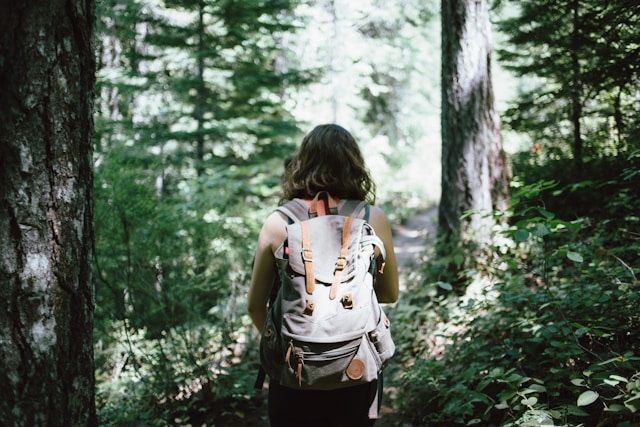
Budgeting for a hut-to-hut hiking adventure is different from planning a regular holiday. The big costs are accommodation, meals, transport to and from the trail, gear, insurance and permits — plus a buffer for mountain weather and unexpected changes. Research hut prices and book early, especially on popular routes where huts sell out fast. A clear budget doesn’t kill the spontaneity — it’s what makes the whole adventure possible.
Hut-to-hut hiking is one of the most rewarding ways to experience mountain landscapes. Instead of returning to the same base each night, hikers move through valleys, ridgelines and alpine passes, staying in huts, guesthouses or mountain lodges along the route.
But budgeting for this kind of adventure is different from planning a simple day hike. Costs can include accommodations, meals, gear, transport, trail logistics, insurance and unexpected changes. A realistic budget helps hikers prepare well, avoid surprises and enjoy the trail with more confidence.

Start with the route and number of nights
The route determines much of the budget. A three-night hut-to-hut hike will cost far less than a week-long alpine route with multiple transfers, remote accommodations and extra rest days.
Before estimating costs, map the basic structure of the trip. Look at daily distances, elevation gain, hut locations, trail difficulty and possible exit points. Decide whether you need a rest day or extra night before or after the hike.
Once the route is clear, the rest of the budget becomes easier to build.
Research hut or accommodation prices early
Accommodation is usually one of the biggest costs on a hut-to-hut hike. Prices can vary depending on the country, route, season and type of room.
Check whether huts offer dorm beds, private rooms, half-board meals or membership discounts. Some mountain huts require advance reservations, while others have strict booking windows or cancellation rules. Popular routes can sell out early, especially during peak hiking season.
Researching accommodation first helps hikers understand the true cost of the route before committing to flights, gear or extra travel plans.
Estimate food and drink costs on the trail
Meals are another important part of the budget. Some huts include dinner and breakfast in a half-board rate, while others charge separately for meals, packed lunches, snacks, coffee or drinks.
Food can be more expensive in remote mountain huts because supplies are harder to transport. Hikers should also budget for grocery stops before or after the route, trail snacks, water refills where needed and meals in nearby towns.
It is smart to carry some lightweight snacks, but relying entirely on packed food may not be practical on longer routes. A balanced food budget keeps energy high without overspending.
Factor in luggage transfer or pack weight choices
Some hikers carry everything they need, while others use luggage transfer services where available. Carrying your own pack can save money, but it also adds physical strain, especially on routes with steep climbs or long days.
Luggage transfer can make the hike more comfortable and allow hikers to carry only a daypack. However, it adds to the total cost and may not be offered on every route.
The right choice depends on fitness level, route difficulty, weather, comfort and personal preference. Budgeting for this decision early helps avoid surprises later.
Include transport to and from the trail
Getting to the trailhead can be more complicated than expected. Hut-to-hut routes may begin in small mountain villages, national parks or remote valleys where transportation is limited or seasonal.
Budget for flights, trains, buses, shuttles, taxis, parking, rental cars and transfers between trailheads. If the route starts and ends in different places, return transportation may require extra planning.
Public transportation can reduce costs, but schedules may not always match hiking plans. Building transport into the budget from the beginning helps prevent last-minute expensive fixes.
Budget for essential gear, not every gadget
Good gear matters on a hut-to-hut hike, but that does not mean buying every outdoor gadget. Focus first on items that affect safety, comfort and weather protection.
Priorities may include well-fitting hiking boots, quality socks, rain layers, base layers, a comfortable backpack, trekking poles, a headlamp, first-aid basics and weather-appropriate clothing. Hikers should also consider hut-specific items such as a sleeping liner, earplugs or lightweight sandals.
It is worth spending more where comfort and safety matter. Specialty gear that will only be used once may be borrowed or rented instead.
Add insurance, permits and trail fees
Some hiking costs are easy to overlook until late in the planning process. Travel insurance, evacuation coverage, park permits, trail passes, hut association fees or conservation fees may all apply depending on the route.
Insurance is especially important on remote or alpine trails where weather, injury or evacuation can become serious. Hikers should check whether their policy covers trekking, altitude, rescue services and the specific country they are visiting.
Permits and fees may seem small compared with flights or lodging, but they should still be included in the full trip budget.
Build a buffer for weather, delays and emergencies
Mountain travel is unpredictable. Bad weather can delay a hiking day, close a pass or force a route change. A missed bus, injury, damaged gear or unexpected extra night can quickly add costs.
A good hut-to-hut budget should include a buffer for these situations. Extra funds can cover taxis from alternate exit points, additional lodging, laundry, medical care, gear replacement or changed transportation.
This buffer is not wasted money. It is what allows hikers to make safe, practical decisions instead of feeling forced to continue because every dollar has already been assigned.
Compare options for larger upfront costs
A hut-to-hut trip can require several payments before you ever reach the trailhead, from flights and hut reservations to transfers, insurance and gear. If those costs come due close together, it is worth pausing to decide which expenses can be paid now, which can be delayed and which are truly necessary for the route.
For hikers who need more flexibility, options might include using a dedicated trip fund, adjusting the itinerary, booking fewer extras, using available travel benefits or researching personal loans for a planned expense. The key is to make sure any payment choice still feels manageable long after the hike is over.
A hiking adventure should feel rewarding when it ends, not financially stressful once travelers return home.
Track spending during the hike
Even a simple tracking system can help during the trip. Hikers can use a notes app, budgeting app or daily allowance to record meals, drinks, taxis, snacks and extras.
Tracking does not need to be strict. The goal is to notice overspending early and adjust without affecting the core experience. A few small check-ins can help the budget last until the final day.
A clear budget protects the adventure
Budgeting is not about taking spontaneity out of a hut-to-hut hike. It is about making the adventure easier to enjoy.
When hikers understand accommodation, food, gear, transport and emergency costs before setting out, they can make better decisions on the trail. A clear budget creates room for flexibility, safety and confidence, allowing the focus to stay where it belongs: on the mountains, the route and the experience.
Ready to Plan Your Hut-to-Hut Adventure?
We handle every logistical detail — accommodation, route planning, transfers and on-trail support — so all you have to do is hike. Browse our self-guided hiking tours across Europe.
Browse All Hiking Tours in Europe