Pack light but layer smart: a moisture-wicking base, insulating mid-layer, and waterproof shell handles the Alps’ unpredictable weather. Choose high-calorie, no-cook trail food, break in your boots well before departure, and always carry offline maps alongside your phone. Start training at least two months out, and do a full gear weigh-in before you leave.
When you plan a week-long route around Mont Blanc or tackle the rocky trails of the Dolomites, every ounce matters. The main task is minimizing gear weight for safety. Mistakes in selecting items become noticeable on your first climb. Experienced travelers filter their backpack contents at home.
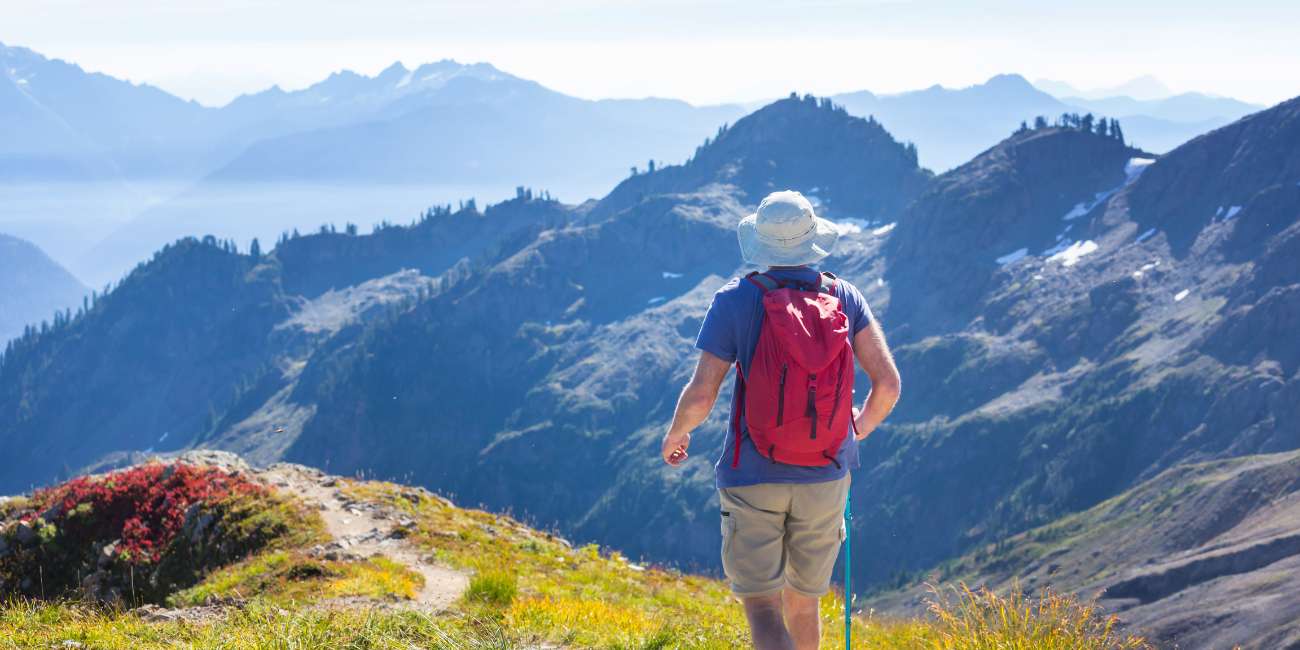
The right balance between lightness and functionality is the foundation of trekking. You will spend eight hours on your feet every day. Weather at high altitudes changes lightning fast. Therefore, your clothes must protect against any whims of nature. At the same time, your backpack should not turn into a heavy anchor. A comfortable weight allows you to enjoy the scenery rather than simply surviving.
Organizing Nutrition on Long Hiking Trips
Long activities burn a colossal number of calories on difficult terrains. Carrying heavy camping cookware and fresh food is completely irrational. Instead, rely on lightweight products with a long shelf life. They must restore your energy instantly and require no cooking.
High-calorie foods rich in protein are ideal for the trail. Nuts, freeze-dried meals, and special bars take up minimal space. They satisfy hunger perfectly during short stops on mountain passes. This diet helps maintain stable blood sugar levels and restore muscles.

Besides, quality meat snacks are a classic choice among experienced hikers. Since salt is lost with sweat, your body critically needs sodium. Dried meat provides a quick boost of strength and weighs mere ounces. To diversify your diet on the trail, it is useful to check out the Jerky Brands website, where you can find a huge selection of nutritious meat snacks. Such snacks save you during long crossings between mountain refuges. They allow you not to waste time lighting a burner.
After a hearty snack, you must restore your fluid balance. Constant drinking prevents dehydration and premature muscle fatigue. Mountain water seems clean, but it must be filtered. Modern portable systems weigh very little and cope with bacteria. You can also use electrolyte powders.
Clothing Based on the Three-Layer Principle
Cotton absorbs moisture and instantly cools your body. Instead, use the proven concept of layering clothes. Each element performs a clear function. This approach guarantees a comfortable microclimate under any conditions.
The first layer should allow for the fast removal of moisture from your body. For example, light merino wool thermal underwear is very suitable. The second layer is responsible for retaining heat, using a light fleece. The third layer protects against rain or stormy wind. A reliable membrane jacket is critically important.
When it comes to preparing for a trip, the specifications of every single item have to be examined thoroughly. This is a sample list of essentials for summer trekking:
- Two very light shirts made of synthetic materials.
- A thin thermal long-sleeve shirt for cold mornings.
- Durable trekking pants that dry quickly after rain.
- A membrane hardshell jacket and light waterproof pants.
- Three pairs of high-quality thick socks to protect against blisters.
This list completely covers your needs for warmth. Be sure to bring a sun hat and light gloves. At high altitudes, you can catch night frosts even in July. Do not forget clean clothes for sleeping in the refuges. There are specific hygiene rules there.
Footwear and Foot Care
Badly chosen boots can completely ruin your trip. Trails in the Dolomites run over sharp rocks. Your footwear must have a stiff sole for secure traction. In addition, good ankle support is critically important. It protects your joints under the weight of a heavy backpack.

Never go on a tour in brand-new boots. They need to be thoroughly broken in before departure. Your feet must get used to specific loads. Hard mountain trails quickly reveal size mismatches. Always buy trekking footwear with a small margin.
Regular prevention is the best way to fight skin damage. Always keep a protective blister tape close at hand. Plan your day to respond to the slightest discomfort in time:
- Felt a slight friction — stop immediately and apply tape to the problem area.
- During large stops, take off your footwear and air out your feet.
- Timely trim your nails before starting difficult multi-day crossings.
- Use special talcum powder or anti-chafing cream to reduce friction.
- Shake out small stones from your boots immediately.
Following these simple rules will keep your feet healthy. In addition to good boots, purchase reliable trekking poles. They significantly reduce the load on the knee joints. Poles help maintain balance on slippery sections. Many travelers consider them important safety elements.
Important Little Things for Safety and Navigation
Modern technologies greatly facilitate orientation on the ground. However, relying solely on a phone screen is quite reckless. Smartphones drain quickly in the cold. A reliable paper guidebook and a map should lie in the top pocket. They do not depend on battery charge.
Always download offline maps and official route tracks in advance. This is crucial because official safety reports by the International Climbing and Mountaineering Federation show that losing the trail and navigation errors are among the leading causes of mountain rescue interventions. Studying up-to-date information will help avoid sections closed due to landslides. Mountains require respect and thorough preliminary scouting.
Be sure to form a compact first aid kit with painkillers, antiseptics, and an elastic bandage. Sunscreen and quality sunglasses will protect against treacherous ultraviolet rays. At high altitudes, the sun burns the skin in a matter of hours. Take care of a powerful headlamp with spare batteries.
Preparing the Body for Future Loads
The best equipment will not help if your muscles are not ready. Training should begin at least two months before the journey. Special attention should be paid to cardiovascular endurance. Regular running or swimming will be an excellent foundation. They help to tolerate oxygen deficiency easily.
Squats, lunges, and balance exercises are great for strengthening muscles. It is very useful to practice long walks with a loaded backpack. This allows the body to adapt to the specific weight distribution. Gradually increase the mass of the training backpack. This approach minimizes stress for the body.
Before stepping onto the trail, run through a quick checklist:
- Pack every last item and see what the scale actually says.
- Charge all electronic devices and power banks.
- Check the integrity of the locking mechanisms on the trekking poles.
- Look at the fresh weather forecast on specialized mountain websites.
- Leave a detailed plan of your route with relatives or friends at home.
Good preparation keeps your trip safe and stress-free. When you trust your gear, you can actually enjoy the trail. The mountains always reward those who plan ahead.
Not Sure You’re Trail-Ready Yet?
Every Monkeys and Mountains booking includes a free, fully personalized training plan — built around your fitness level, timeline, and the specific tour you’re taking.
Get the Free 6-Week Training Plan