Weight loss before a big hike isn’t a bad goal — but it’s not the same as being trail fit. A multi-day trek rewards strong legs, good endurance, and practiced feet far more than a lighter body. Here’s what to focus on instead.
Before a big hiking trip, it is tempting to make the scale the enemy.
Maybe you have booked the Tour du Mont Blanc, the Dolomites, the Camino, or your first hut-to-hut trek. Suddenly, every social media photo seems to feature someone with strong calves, a tiny backpack, and an effortless trail smile, making your own preparation feel more intimidating than it needs to be. It is natural to think, “I should lose weight before I go.”
That may be a reasonable goal for some people. But it is not the same as being trail fit.
A big trek does not reward the smallest version of you. It rewards the version of you that can walk for hours, descend without wrecking your knees, recover overnight, carry what you need, fuel consistently, and still enjoy the view when the trail turns rude.
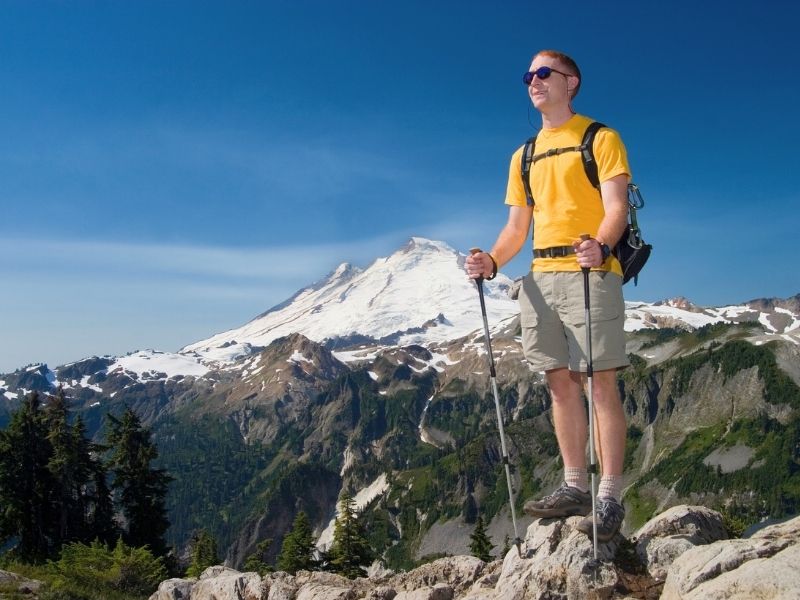
Trail fit and lighter are not the same thing — and one matters a lot more out there.
The scale does not tell you how you will feel on day three
Body weight can affect how a climb feels, but it is only one part of the hiking equation. A lighter hiker who has not trained downhill, broken in boots, practiced with a backpack, or built leg strength may struggle more than someone heavier who has prepared properly.
The National Park Service asks hikers to think about practical questions before choosing a hike: how much food, water, and equipment they can comfortably carry, whether they are fit for the hike, whether they have practiced steep uphill and downhill walking, and whether they are used to the temperature and humidity they will face.
Notice what is missing from that list: a target number on the scale.
That is because hiking fitness is not a single measurement. It is a collection of abilities. Your lungs have to handle steady effort. Your legs need to climb, brake, and stabilize. Your feet need time under load. Your shoulders and hips need to tolerate a pack. Your gut needs to handle real food while moving. Your brain needs enough energy to make good decisions when tired.
That is trail fitness — and none of it shows up on a scale.
The fitness that matters most is specific
A gym routine can help, but big hikes have their own demands. Trails are uneven. Climbs can be long and boring. Descents punish the quads. Weather changes plans. A short day can turn long if someone gets a blister, misses a turn, or slows down.
That is why a good pre-trek plan should include more than general exercise. It should include repeated walking, hills or stairs, strength work, balance, and at least some practice with the shoes and pack you plan to use.
For general health, the CDC recommends that adults get at least 150 minutes of moderate-intensity activity each week, plus muscle-strengthening activity on two days a week. For hikers, that is a baseline, not a magic finish line. A multi-day trek usually asks for something more specific: the ability to repeat effort on tired legs.
Weight loss can help, but bad timing can hurt
If you want to lose weight before a trek, the problem is not the goal itself. The problem is trying to rush it while also increasing training.
A calorie deficit can support weight loss, but pushing it too hard in the final weeks before a trek can work against you, leaving you low on energy when your training and recovery matter most.
That matters for hikers because training is not just about burning calories. It is about adaptation. Your body needs enough fuel and rest to build endurance, strengthen tissues, and recover between sessions. If every training walk is followed by poor sleep, heavy legs, cravings, and irritability, the plan is not working — even if the scale is moving.
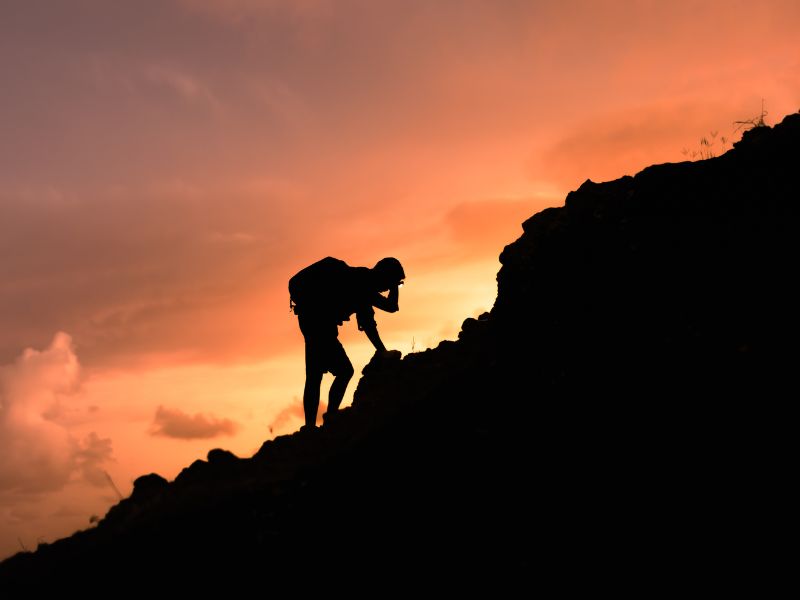
Day four on the Haute Route. Trail fitness is what keeps you moving when the trail asks for more than one good day.
What to focus on instead of the scale
The best pre-trek goals are boring in the most useful way.
Your trail-fitness checklist (stick this on your fridge)
- Walk consistently — and add hills, stairs, or treadmill incline if you live somewhere flat
- Strengthen your quads, glutes, calves, hips, and core
- Practice descents — downhill walking is where many hikers suffer most
- Wear the socks and boots you plan to use before the trip, not for the first time at the trailhead
- Carry your pack before the trip — practice loading weight gradually
- Build back-to-back walking days so your body understands that tomorrow matters too
- Sleep enough. Eat enough to support your training.
- Reduce unnecessary pack weight, but don’t remove essentials
- Keep weight-loss goals moderate — if they belong in your plan at all
Trail fit is about readiness, not appearance
The social media version of hiking can make preparation look like a body type: lean legs, tiny pack, perfect smile, dramatic ridge. Real trekking is less polished. It is early mornings, damp socks, tired knees, snack breaks, wrong turns, heavy weather, and one more climb when you thought the climbing was over.
That is why “lighter” is too small a goal.
Arrive strong, steady, and practiced. A big trek is not a test of how little you can weigh. It is a test of how well your body can keep moving, recovering, and adapting when the trail asks for more than one good day.
Make Sure You’re Actually Ready for Your Hike
Our free 6-week hiking training plan is built specifically for hikers aged 30–70 — including people who live somewhere completely flat and have creaky knees. No guesswork, no overwhelm.